
What Are Binaural Beats?
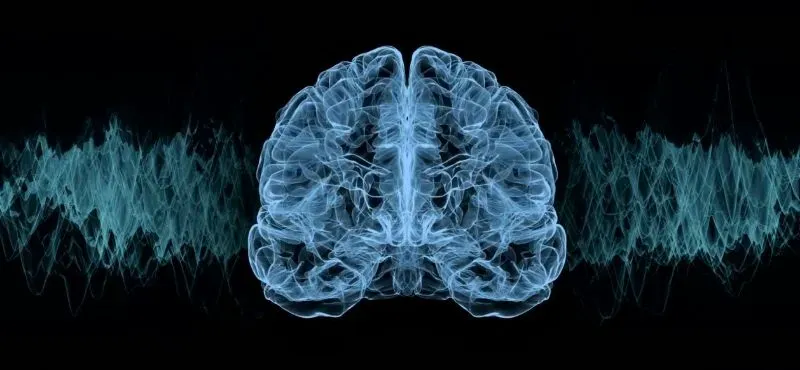
Binaural beats are an auditory phenomenon that occurs when two slightly different frequencies are played simultaneously in each ear through headphones. When one ear receives a tone at 200 Hz and the other receives a tone at 210 Hz, the brain does not simply hear two separate sounds. Instead, it perceives a third tone — a rhythmic pulse at the difference between the two frequencies, in this case 10 Hz. This perceived tone is the binaural beat.
The phenomenon was first described by the Prussian physicist Heinrich Wilhelm Dove in 1839, but it was not until the late 20th century that researchers began exploring its potential therapeutic applications. What makes binaural beats significant for healing and wellness is that the perceived frequency can correspond to specific brainwave states — and exposure to these frequencies appears to encourage the brain to synchronise its own electrical activity accordingly.
How Do Binaural Beats Affect the Brain?
The mechanism behind binaural beats is called brainwave entrainment — the tendency of the brain to synchronise its electrical patterns with an external rhythmic stimulus. When the brain detects the frequency difference between the two tones, its own neural oscillations begin to match that frequency. This is not a subjective impression but a measurable neurological response, documented through EEG (electroencephalogram) studies showing real-time changes in brainwave patterns during binaural beat exposure.
This frequency-following response means that by carefully selecting the frequency differential, a practitioner can guide the brain toward specific states — from alert focus to deep relaxation to the threshold of sleep. The implications for stress management, meditation support, and therapeutic intervention are significant.
Understanding Brainwave Frequency Bands
To understand how binaural beats work therapeutically, you need to understand the five primary brainwave frequency bands. Your brain is constantly producing electrical activity across a spectrum of frequencies, and the dominant frequency at any given moment corresponds to your state of consciousness:
- Delta (0.5–4 Hz) — Deep, dreamless sleep. The slowest brainwave state, essential for physical repair, immune function, and cellular regeneration. Delta dominance during waking hours is associated with deep trance states.
- Theta (4–8 Hz) — Deep meditation, light sleep, and the hypnagogic state between waking and sleeping. Theta is associated with vivid imagery, creative insight, and access to subconscious material. Many transformative meditation experiences occur in Theta.
- Alpha (8–13 Hz) — Relaxed awareness. The bridge between conscious thinking and the subconscious mind. Alpha dominance feels like calm alertness — present but not anxious, aware but not overthinking. This is the state most people enter during light meditation or relaxation.
- Beta (13–30 Hz) — Active waking consciousness. Normal thinking, problem-solving, and engagement with the external world. Higher Beta frequencies are associated with anxiety, stress, and the “busy mind” that many people struggle to quiet.
- Gamma (30–100 Hz) — Peak concentration, heightened perception, and cognitive processing. Gamma is associated with moments of insight, information synthesis, and the binding of sensory information into unified experience.
What Is the Difference Between Alpha, Theta, and Delta Waves?
The distinction matters for therapeutic application. Alpha waves represent relaxed wakefulness — ideal for stress relief and gentle meditation. Theta waves go deeper, accessing creative and subconscious states that are difficult to reach through conscious effort alone. Delta waves represent the deepest states, associated with profound physical healing and restoration.
Most people seeking stress relief or improved meditation benefit from Alpha and Theta entrainment. Those working with chronic pain, sleep disorders, or deep trauma may benefit from protocols that access Theta and Delta states under guided conditions.
How Binaural Beats Influence Brainwave States
In practice, binaural beat therapy works by presenting the brain with a frequency differential that matches the target brainwave state. If the goal is relaxation, the practitioner selects frequencies that produce a differential in the Alpha range (8–13 Hz). If the goal is deep meditation, the differential is set in the Theta range (4–8 Hz).
The brain does not switch states instantaneously. Effective protocols guide the brain gradually from its current state to the target state, often beginning with frequencies close to normal waking consciousness and slowly decreasing toward the desired range. This graduated approach, sometimes called “frequency ramping,” respects the brain’s natural rhythms and produces more stable and comfortable transitions.
The Benefits of Binaural Beat Therapy
Research into binaural beats has documented a range of therapeutic benefits, though the field is still developing and individual responses vary. The most consistently reported benefits include:
- Stress reduction — Shifting the brain from high Beta (anxious thinking) to Alpha (relaxed awareness) provides measurable relief from stress and its physical symptoms
- Improved sleep quality — Delta and Theta entrainment before bed can improve sleep onset and sleep depth
- Enhanced focus and concentration — Low Beta and high Alpha frequencies support sustained attention without the anxiety of high Beta states
- Pain management support — Theta and Delta states are associated with increased pain tolerance and reduced perception of chronic pain
- Deeper meditation access — Binaural beats can help meditators reach Theta and Delta states that might otherwise require years of practice
- Emotional regulation — Regular exposure to calming frequencies can help stabilise mood and reduce emotional reactivity
Can Binaural Beats Help with Anxiety and Sleep?
These are the two most common applications, and the evidence is encouraging. A growing body of research shows that regular listening sessions targeting Alpha and Theta frequencies can reduce both state anxiety (situational stress) and trait anxiety (generalised tendency toward worry). For sleep, Delta frequency protocols used before bedtime have shown improvements in sleep latency (time to fall asleep) and subjective sleep quality.
Binaural Beats in Sound Healing Practice
While recorded binaural beats played through headphones are the most common delivery method, the same principles operate in live sound healing sessions. When a practitioner uses two singing bowls tuned to slightly different frequencies, the interaction between the two sounds produces a similar beating pattern. The advantage of live sound healing is that the physical vibrations also resonate through the body — you feel the sound as well as hear it, creating a multi-sensory experience that recorded audio cannot fully replicate.
At Ayutyas, Tyas incorporates an understanding of binaural beat principles into her private sound healing sessions. Rather than relying on a single frequency or instrument, she builds layered soundscapes that guide the brain through progressive states of relaxation. The sessions are tailored individually — selecting instruments, frequencies, and pacing based on each client’s current state and therapeutic goals.
Experience Binaural Beat Therapy at Ayutyas in Bali
Ayutyas Holistic Healing Home in Sukawati, Bali, offers private sound healing sessions that integrate binaural beat principles with traditional instruments and intuitive practice. Each session is designed around your specific needs — whether you are seeking deep relaxation, support for anxiety or sleep difficulties, or a meditative experience that goes beyond what you can achieve on your own.
Located just south of Ubud, Ayutyas provides a peaceful, intimate setting where the focus is entirely on your experience. There are no group schedules, no rushed transitions between clients. Just a quiet space, a skilled practitioner, and the transformative power of sound.