
What Are Brainwave Frequencies?
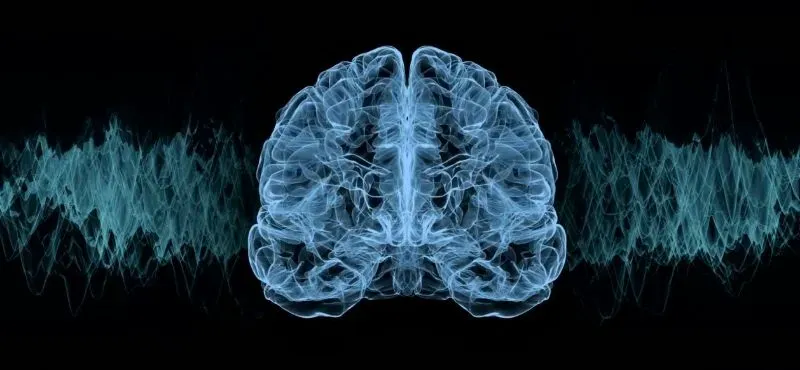
Every second of every day, billions of neurons in your brain communicate through electrical impulses, generating rhythmic patterns of activity that can be measured and categorised. These patterns are known as brainwave frequencies, and they reflect the underlying state of your nervous system at any given moment — whether you are deeply asleep, lost in creative thought, intensely focused on a problem, or simply sitting quietly with your eyes closed.
Brainwave frequencies are measured using electroencephalography (EEG), a technology that has been available since the 1920s when German psychiatrist Hans Berger first recorded electrical activity from the human scalp. The frequencies are measured in Hertz (Hz), representing the number of electrical cycles per second. Lower frequencies correspond to slower, more relaxed states of consciousness, while higher frequencies correspond to faster, more active mental processing.
What makes brainwave science so relevant to healing and wellness is the discovery that these patterns are not fixed. Your brain is constantly shifting between different frequency ranges in response to your environment, your activities, and your internal state. More importantly, external stimuli — including sound, light, and rhythmic breathing — can actively influence which brainwave patterns dominate at any given time. This phenomenon, known as brainwave entrainment, forms the scientific basis for many of the therapeutic practices used at Ayutyas and in holistic healing centres around the world.
The Five Brainwave States
Neuroscience has identified five primary brainwave frequency ranges, each associated with distinct mental, emotional, and physiological states. Understanding these states provides a map of consciousness that can help you recognise what your brain is doing — and what it might need.
Gamma (30–100 Hz)
Gamma waves are the fastest brainwave frequency and are associated with peak cognitive performance, intense focus, and expanded awareness. When your brain is operating in the Gamma range, you are processing information from multiple brain regions simultaneously, making connections between disparate ideas, and experiencing moments of heightened perception. Experienced meditators and individuals in states of deep compassion or insight have been shown to produce significantly elevated Gamma activity. These waves are sometimes described as the signature of higher consciousness — the brainwave pattern associated with those rare moments when everything clicks into place and understanding feels effortless and complete.
Beta (13–30 Hz)
Beta waves dominate during normal waking consciousness and are associated with active thinking, logical reasoning, problem-solving, and engaged conversation. When you are working through a complex task, participating in a discussion, or making decisions, your brain is primarily producing Beta waves. This is the frequency of daily life — functional, productive, and necessary. However, when Beta activity becomes excessive or prolonged without adequate recovery, it can manifest as anxiety, restlessness, overthinking, and an inability to relax. Many people in modern life are stuck in chronic high-Beta states, their nervous systems perpetually activated by the demands of work, technology, and the relentless pace of daily obligations.
Alpha (8–13 Hz)
Alpha waves represent the bridge between the active thinking mind and the deeper layers of consciousness. They emerge naturally when you close your eyes, take a few deep breaths, or allow your mind to drift into a state of calm, unfocused awareness. Alpha is the frequency of relaxed alertness — you are not asleep, but you are not engaged in effortful thinking either. This state is associated with creativity, light meditation, and the kind of quiet receptivity that allows insights to surface naturally. Alpha waves also play a crucial role in emotional regulation, serving as a buffer between the reactive Beta state and the deeper processing that occurs in Theta and Delta. A healthy capacity to shift into Alpha is one of the hallmarks of a well-regulated nervous system.
Theta (4–8 Hz)
Theta waves are associated with deep meditation, dreaming, emotional processing, and access to the subconscious mind. This is the frequency range you pass through as you drift from wakefulness into sleep, and it is the dominant pattern during REM (rapid eye movement) sleep when your brain processes and consolidates emotional experiences. In waking life, Theta states are associated with profound creativity, deep intuition, and the kind of emotional insight that often eludes the rational mind. Many people report that their most meaningful breakthroughs — whether personal, creative, or spiritual — occur during Theta-dominant states. However, accessing Theta while remaining conscious requires practice, which is one reason why consistent meditation practice is so transformative over time.
Delta (0.5–4 Hz)
Delta waves are the slowest brainwave frequency and are associated with the deepest stages of non-dreaming sleep. During Delta-dominant sleep, your body performs its most critical repair and regeneration processes — tissue repair, immune system strengthening, growth hormone release, and cellular detoxification all peak during this phase. Delta is also associated with profound states of unconscious processing that play a role in healing from trauma and integrating deeply held emotional material. Without adequate Delta sleep, the body and mind cannot fully restore themselves, which is why chronic sleep deprivation has such far-reaching consequences for physical and mental health. Some advanced meditation practitioners are able to access Delta-like states while remaining partially conscious, a capacity that is associated with extraordinary depth of healing and spiritual insight.
When Brainwave Patterns Become Imbalanced
In an ideal state, your brain moves fluidly between these frequency ranges throughout the day, shifting effortlessly to match the demands of each moment. However, the pressures of modern life, unresolved stress, and accumulated trauma can disrupt this natural flexibility, locking the brain into patterns that no longer serve your wellbeing.
Excess Beta activity is perhaps the most common imbalance in contemporary life. When the brain is chronically stuck in high-Beta, the result is persistent anxiety, racing thoughts, difficulty concentrating, and an inability to feel at ease even in safe, relaxed environments. The nervous system becomes hypervigilant, interpreting ordinary situations as threatening and maintaining a state of physiological arousal that drains energy and undermines health over time.
Insufficient Alpha production makes it difficult to transition from active thinking into genuine relaxation. People with low Alpha often report feeling wired but tired — exhausted yet unable to rest. They may struggle with creativity, find it hard to meditate, and experience a persistent sense of disconnection from their own inner life.
Limited access to Theta states can result in emotional suppression, creative blocks, and a sense of being cut off from deeper sources of meaning and intuition. Without regular Theta activity, the brain loses its capacity for the kind of deep emotional processing that allows us to heal from difficult experiences and integrate new understanding into our lives.
Poor Delta production manifests primarily as disrupted sleep — difficulty falling asleep, frequent waking, and a persistent sense of not feeling rested even after a full night in bed. Over time, inadequate Delta sleep contributes to weakened immunity, chronic pain, cognitive decline, and emotional fragility.
How Sound Healing and Light Therapy Influence Brainwaves
The principle that makes sound healing and light therapy effective as brainwave interventions is known as the frequency-following response, or neural entrainment. When the brain is exposed to a consistent, rhythmic stimulus — whether auditory, visual, or tactile — its electrical activity gradually synchronises with the frequency of that stimulus. In simple terms, if you expose the brain to a steady rhythm at 10 Hz (within the Alpha range), your brainwaves will naturally begin to entrain to that frequency, shifting you into a more relaxed state without any conscious effort on your part.
Tibetan singing bowls are particularly effective instruments for brainwave entrainment because they produce complex, multi-layered tones that contain frequencies spanning several brainwave ranges simultaneously. The fundamental tone of a large bowl might resonate at a Theta frequency, while its overtones reach into Alpha and even Beta ranges. This complexity allows the brain to entrain at multiple levels simultaneously, creating a state that is both deeply relaxed and subtly alert — precisely the conditions under which healing and integration occur most naturally.
Light therapy operates on a similar principle but through the visual pathway. Specific frequencies of pulsing light, delivered through closed eyelids, can entrain brainwave activity with remarkable precision. Different light frequencies can target specific brainwave states — slow, steady pulses for Delta and Theta access, moderate rhythms for Alpha relaxation, and faster patterns for Gamma stimulation. The advantage of light therapy is its precision; because the visual cortex occupies such a large portion of the brain, visual entrainment can produce rapid and measurable shifts in brainwave activity.
Simple Practices for Healthy Brainwave Patterns
While professional sound healing and light therapy offer powerful interventions, there are also simple daily practices that support healthy brainwave flexibility and help maintain balance across all five frequency ranges.
Meditation is perhaps the single most effective practice for developing brainwave flexibility. Even ten minutes of daily meditation trains your brain to shift from Beta into Alpha and eventually into Theta, building a capacity for deep relaxation and inner awareness that carries over into the rest of your life.
Yoga combines movement, breath, and focused attention in ways that naturally promote Alpha and Theta brainwave activity. The slow, deliberate movements and conscious breathing patterns of practices like Yin Yoga are particularly effective for calming an overactive Beta state and encouraging the nervous system to down-regulate.
Breathwork offers a direct pathway to brainwave modulation. Slow, rhythmic breathing activates the parasympathetic nervous system and promotes Alpha dominance, while more dynamic breathing practices can facilitate Theta access and emotional release.
Time in nature has been shown to reduce Beta activity and increase Alpha production, which is one reason why spending time outdoors feels so restorative. The natural soundscape of birdsong, flowing water, and wind through leaves provides a gentle form of auditory entrainment that the brain finds deeply calming.
Sleep hygiene protects your access to Delta waves. Consistent sleep schedules, reduced screen exposure before bed, a cool and dark sleeping environment, and avoidance of stimulants in the evening all support deeper, more restorative sleep patterns.
Slow, repetitive music — particularly music with a tempo of around 60 beats per minute — naturally promotes Alpha brainwave activity and can be used as a simple daily tool for stress reduction and relaxation.
Brainwave-Based Therapies at Ayutyas
At Ayutyas Holistic Healing Home in Sukawati, Bali, brainwave science informs every aspect of the therapeutic approach. Tyas integrates multiple modalities — each targeting specific brainwave states — to create sessions that address the unique needs of each individual.
Sound healing sessions use carefully selected Tibetan singing bowls, tuning forks, and vocal toning to guide brainwave activity from stressed Beta states into the healing Alpha and Theta ranges. The Ohmpuncture method that Tyas practises combines sound vibration with precise body placement, creating a multi-sensory experience that facilitates deep entrainment and profound physical relaxation.
Light therapy sessions use calibrated frequencies of pulsing light to target specific brainwave states with precision. Whether the goal is deep relaxation, emotional processing, enhanced creativity, or improved sleep, the light therapy protocols at Ayutyas can be tailored to address the specific patterns that each person needs to shift.
What makes the approach at Ayutyas distinctive is the integration of these modalities within a holistic framework that also includes yoga, breathwork, and personalised guidance. Rather than treating brainwave imbalances in isolation, Tyas addresses the whole person — body, mind, and energy — recognising that lasting change requires attention to the interconnected systems that shape our experience of health and wellbeing.
“Your brain already knows how to heal. Sometimes it just needs the right frequency to remember.” — Tyas